

How Interior Design Completes the Puzzle of Self-Care
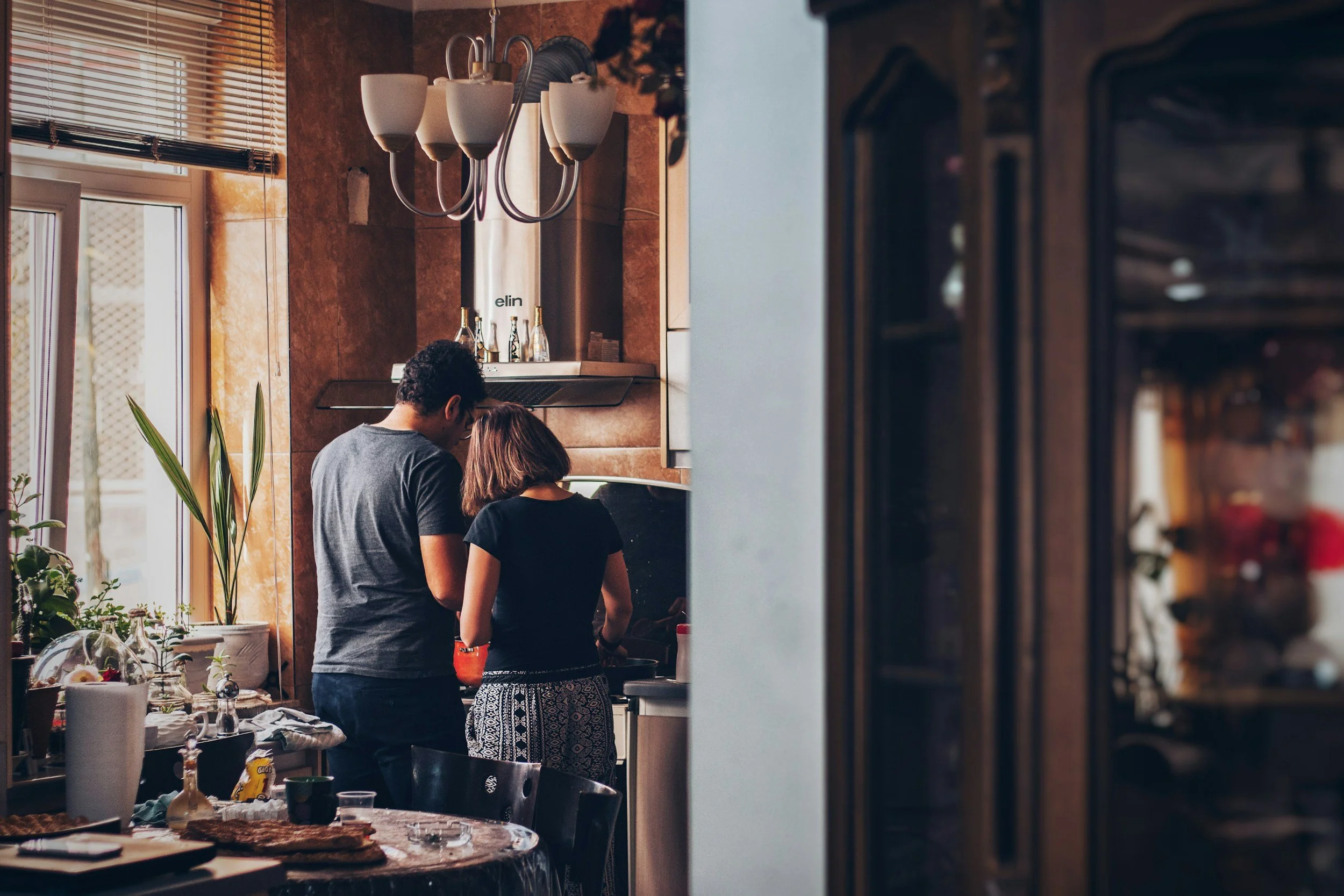
There’s a moment in Queer Eye—one of those raw, emotional moments that make the show so beloved—when Billy, a kind-hearted librarian, steps into his newly designed home. His face lights up, his voice catches, and for the first time in years, he sees himself reflected in his surroundings.
Before the transformation, Billy’s home was cluttered and chaotic, a space filled with items that didn’t serve him and an energy that weighed him down. It was more than just a messy home—it was a reflection of how he felt about himself: unworthy of care, unworthy of beauty, unworthy of love.
But by the time the Fab 5 were done, his home was organized, warm, and deeply personal. And that wasn’t just about aesthetics. That transformation—like every Queer Eye home makeover—was about showing Billy that he deserved to live in a space that made him feel whole.
Billy’s story is a reminder of something many of us forget: how you treat your space is how you treat yourself.
Interior Design: A Critical Piece of Self-Care
In today’s world, we often think of self-care as a bubble bath, a yoga class, or a skincare routine. While those things are great, true self-care is deeper. It’s about creating a foundation that allows you to thrive—mentally, emotionally, and physically. And one of the most powerful (and overlooked) ways to do that is through your home.
According to National Institutes of Health research, our physical environments directly impact our mental health. Cluttered, chaotic spaces can lead to stress, anxiety, and overwhelm, while well-designed, organized spaces can create a sense of peace, stability, and even joy.
Bobby Berk, Queer Eye’s interior design expert, has said:
“Our homes should be our safe havens, the place we retreat to when we need to recharge. When your space reflects love and care, it reminds you that you are worthy of those things”.
Think about that for a second. If your home should be your safe haven, does it feel that way? Or does it feel like a place of stress, disarray, or neglect?
Interior design isn’t just about making things look good. It’s about creating an environment that nurtures you, inspires you, and reminds you of your worth.
Why Investing in Your Space is a Form of Self-Care
One of the most powerful lessons from Queer Eye is the importance of investing in yourself. That can look like upgrading your wardrobe, prioritizing your health, or setting boundaries. But often, the most tangible place to start is your home.
Because whether we realize it or not, our homes shape the way we feel, move, and exist in the world.
1. Your Space Reflects Your Worth
Billy’s home wasn’t just cluttered—it was neglected. And that neglect wasn’t just about laziness or being “too busy.” It was about self-worth. When his space was transformed into something warm, functional, and beautiful, he saw himself differently.
Designer Jeremiah Brent puts it beautifully:
“A beautiful space is an extension of your soul—it reminds you of your value and gives you a place to thrive”.
So, ask yourself: What does your space say about how you feel about yourself?
If it’s sending the wrong message, maybe it’s time to rewrite the story.
2. A Functional Home Frees Your Mind
A cluttered home doesn’t just take up physical space—it takes up mental space, too.
You know that feeling when you finally clean out a junk drawer, donate old clothes, or organize your kitchen, and suddenly, you feel lighter? That’s because clutter creates unnecessary stress. When your home is disorganized, it makes everything harder.
Billy’s transformation wasn’t just about aesthetics but about creating systems that made his life easier.
If you’re constantly frustrated by your space, maybe it’s time to ask: Is my home working for me or against me?
3. Beauty is a Form of Nourishment
Surrounding yourself with beauty isn’t about being materialistic—it’s about creating an environment that lifts you up.
Studies from the NIH show that environments designed with intention—incorporating elements like natural light, calming colors, and meaningful objects—can significantly reduce stress and improve mental health.
When your home feels good, you feel good.
How to Start Transforming Your Space (and Yourself in the Process)
Take a moment to look around the space you’re in right now. Not just a quick glance—really look.
Does your home feel like a reflection of the person you want to be?
Or is it cluttered, uninspiring, and filled with things that don’t serve you?
If you’ve been waiting for a sign to start making your home a place that nurtures you, this is it.
Here’s where to start:
1. Declutter with Purpose: Clear the Chaos, Clear Your Mind
Pick one space that overwhelms you—a crowded countertop, a closet full of clothes you never wear, or your nightstand covered in clutter.
Set a timer for 20 minutes and start sorting. Keep what serves you. Let go of what doesn’t.
As you clear the physical clutter, remind yourself: I am making space for clarity. I am making space for peace. I am making space for myself.
2. Design with Intention: Make Your Home Work for You
If mornings feel chaotic, create a better entryway setup with hooks for your keys, a tray for mail, and a designated spot for bags.
If working from home feels uninspiring, upgrade your desk setup with better lighting, a chair that supports your posture, and art that sparks creativity.
If your bedroom doesn’t feel restful, invest in soft bedding, remove distractions, and introduce warm lighting to make it a true retreat.
3. Surround Yourself with Things That Lift You Up
Keep only what adds value or joy. A framed picture of your happiest moment. A candle with your favorite scent. A blanket that feels like a warm hug.
Let go of the things that drain you—unfinished projects, broken furniture, or décor you don’t even like.
Every item in your home should support the life you want.
This is Your Permission to Start Prioritizing Yourself
No one is coming to fix your space for you.
You have to decide that you’re worthy of a home that feels good. You have to take the first step. And once you do, something incredible happens—you start seeing yourself differently.
So, what’s one small thing you can do today to make your home feel like the sanctuary you deserve? Start there.
And if you’re ready for a more significant transformation, let’s chat. I’d love to help you design a space that supports your well-being, reflects your worth, and helps you thrive.
Because when your home feels whole, so do you.
Ready to stop guessing about your home?
I work with homeowners who are ready to invest in their space and want a designer who brings rigor to the process. If that's you, tell me what you're working with and we'll set up a call.
Schedule Your Introduction Call